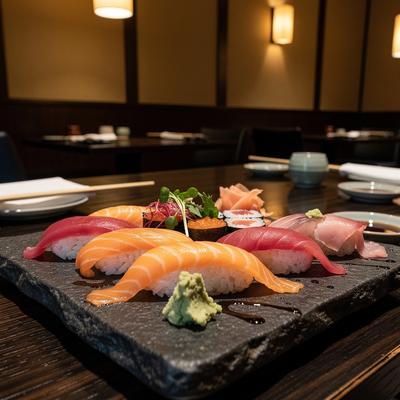
Restaurant-quality sushi and sashimi aren’t “secret recipes” so much as disciplined technique. In a top Japanese kitchen, the same handful of fundamentals are repeated with obsession: rice cooked the same way every time, fish handled with respect, knives kept frighteningly sharp, and temperature controlled from the cutting board to the plate. If you love the experience at high-end rooms (think Zuma-style precision), these are the techniques that create that clean, effortless bite.
1) Rice is the foundation (and it’s mostly about texture)
In sushi bars, rice is treated like a primary ingredient—not a filler. The goal is distinct grains that still cling together, with a surface sheen and a gentle bite. Chefs calibrate three things constantly:
- Water ratio & soak: Enough time for the grain’s core to hydrate so it cooks evenly.
- Vinegar seasoning: Folded (not stirred) to avoid crushing grains; seasoning should brighten, not taste “pickled.”
- Serving temperature: Slightly warm rice meets cooler fish; that contrast makes nigiri feel light rather than dense.
At home, a small upgrade is to measure rice by weight, rinse until the water runs mostly clear, and rest the cooked rice (lid on) before seasoning so steam finishes the center.
2) Knife work: fewer strokes, cleaner flavor
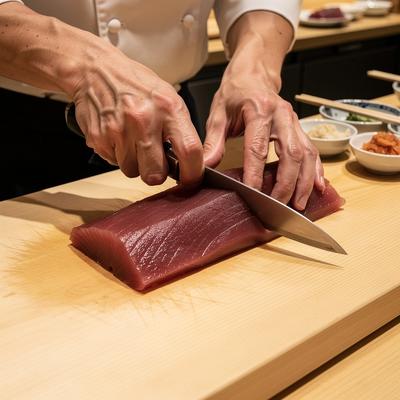
Sashimi’s “fresh taste” is strongly influenced by the cut. A jagged or sawn slice ruptures cells, releasing moisture and dulling sweetness. Sushi chefs aim for long, confident pulls with a single-bevel or very thin double-bevel knife, producing a glossy surface and a neat edge.
Practical takeaways:
- Use a long, sharp blade; wipe between cuts to keep the edge dry and clean.
- Match thickness to fish: fattier cuts can be slightly thicker; leaner fish benefits from thinner slices for tenderness.
- Slice across the grain for delicate chew, and consider subtle angles to increase surface area (more aroma, less “blocky” bite).
3) Fish handling: freshness is a process, not a moment
High-end kitchens manage fish like a controlled aging project. The aim isn’t “just caught” at any cost; it’s clean flavor, correct texture, and food safety. Many species benefit from a short rest under precise refrigeration to let enzymes relax muscle fibers and concentrate taste.
Moisture control
Fish is kept dry: paper, breathable wraps, and frequent changes reduce surface slime and off-odors.
Temperature discipline
Cold storage is stable; cutting happens quickly; service uses brief tempering to bring flavor forward.
If you want a deeper checklist for spotting quality, pair this with How to Spot Fresh, High-Quality Sushi.
4) Seasoning is micro-dosed—especially soy and wasabi
In many Japanese counters, the chef seasons nigiri before it reaches you. That’s intentional: soy can overwhelm subtle fish, and too much wasabi numbs the palate. When you season yourself, think in “brushstrokes,” not pours.
- Soy: Touch fish-side lightly (not rice-side) so rice doesn’t fall apart or drink salt.
- Wasabi: A thin layer supports aroma; it shouldn’t dominate the finish.
- Citrus & salt: For some white fish, a hint of salt and sudachi/yuzu-style brightness can reveal sweetness.
For dining-room etiquette and the “why” behind these habits, see Sushi Etiquette in Japanese Restaurants.
5) Texture engineering: scoring, searing, and brushing
A lot of “restaurant magic” is tiny technique layered on top of good fish. Three common moves:
- Scoring: Shallow cuts in squid or mackerel help tenderness and carry sauce without drowning the bite.
- Aburi (quick sear): A brief torch on fatty fish melts surface fat, boosting aroma while keeping the center cool.
- Nikki (brush sauces): Sweet soy glazes are applied in thin layers so you taste fish first, sauce second.
6) Service pacing: the “course” is the technique
Sushi is best when each piece lands at its ideal temperature and texture. That’s why omakase flows from lighter, lean fish toward fattier cuts and richer flavors—your palate warms up, then finishes with the most luxurious bites.
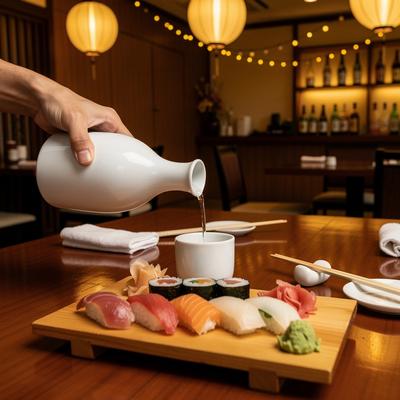
If you’re choosing between formats, read Omakase vs A La Carte at High-End Sushi Bars. If you’re planning a full night out, Best Drinks With Sushi breaks down pairings that won’t flatten delicate fish.
A simple home checklist (the “80/20”)
- Cook rice consistently and season gently; aim for glossy grains that still hold.
- Keep your knife very sharp; use long, single-direction cuts.
- Keep fish cold, dry, and handled quickly; temper briefly right before slicing.
- Season with restraint—especially soy and wasabi.
- Serve in a calm order: light → rich, delicate → bold.
Want more Zuma-style ordering guidance? Start with What to Order at Zuma, then explore more on Articles.