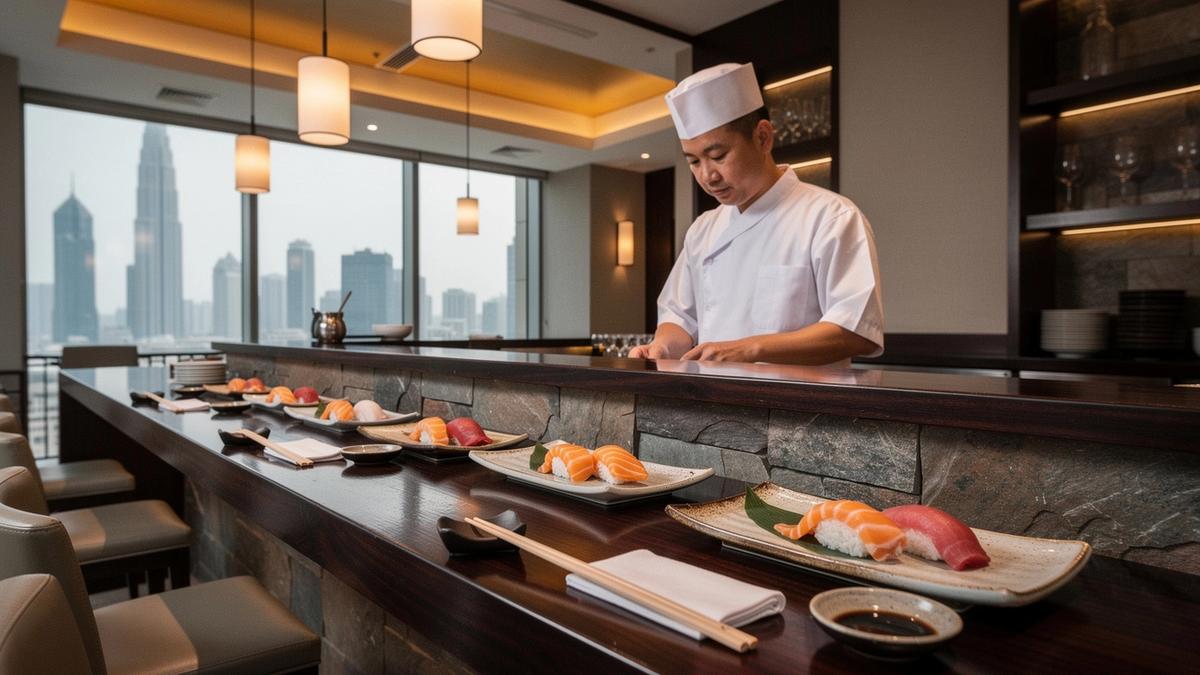
Zuma is designed to feel like a high-energy Japanese izakaya: an open kitchen, a buzzing dining room, and a menu built for sharing. If you’re coming specifically for the sushi experience, the key is understanding how the kitchen is organized, how to pace your order, and which parts of the menu deliver the “Zuma” signature versus the classics.
The vibe: more “night out” than quiet sushi bar
Expect a lively room, attentive service, and dishes arriving in waves rather than a strict appetizer–main–dessert structure. For sushi lovers, this works best when you treat the meal like a sequence: a few cold bites to start, sushi/sashimi in the middle, then something hot from the robata or kitchen to finish.
How the menu is built (and why it matters for sushi)
Zuma’s menu typically spans raw (sashimi, nigiri, rolls), small plates, and robata grill. The sushi quality shines most when you order with contrast in mind:
- Start clean: one light sashimi or a simple nigiri set before richer sauces and crispy textures.
- Add a “signature”: pick one roll or specialty with a distinct sauce/finish so it feels intentional.
- Finish warm: a robata item rounds out the meal without burying the delicate flavors early.
If you want a deeper breakdown of how each sushi category tends to eat (and how to order across them), see Zuma Menu Explained.
What to expect from the sushi and sashimi
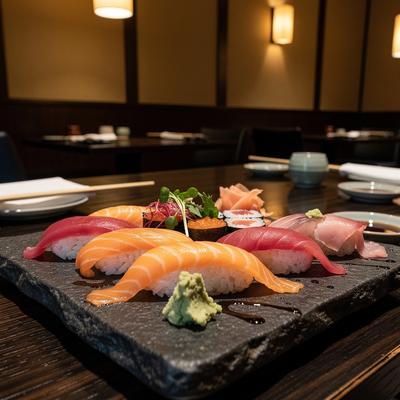
The best experience usually comes from mixing pristine slices with a few bolder, modern touches. In practical terms:
Texture is the theme
Expect contrasts—silky fish, crisp toppings, and sauces used as accents rather than drown-outs (when ordered thoughtfully).
Rice matters
Nigiri lives or dies on seasoning and temperature. If you’re picky, prioritize nigiri earlier in the meal.
Curious what to prioritize once you sit down? What to Order at Zuma walks through a practical, crowd-proof selection strategy.
Timing and pacing: the easiest way to upgrade the meal
Because the room runs on momentum, your experience improves when you pace the sushi like a tasting. A simple approach:
- Round 1: sashimi/nigiri (keep it clean).
- Round 2: one signature roll (richer flavors).
- Round 3: robata or hot dish (finish with warmth and smoke).
If you’re optimizing for atmosphere, seating, and service flow, How to Book Zuma Like a Regular can help you choose the timing that suits your night.
Etiquette that actually changes your sushi experience
You don’t need to overthink it, but small moves keep flavors balanced—especially with high-quality fish:
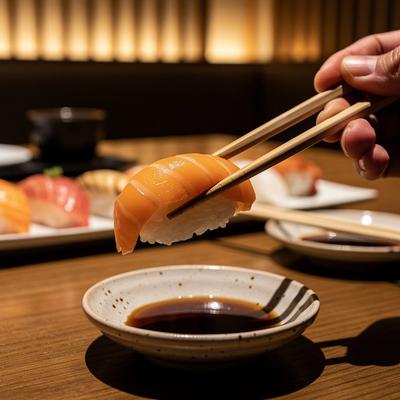
- Use soy sauce sparingly; dip fish-side for nigiri when possible.
- Skip mixing wasabi into soy (it overwhelms subtler cuts).
- Eat nigiri in one bite if you can—rice-to-fish ratio is part of the design.
If you want a quick refresher before you go, read Sushi Etiquette in Japanese Restaurants.
Drinks that pair well without stealing the show
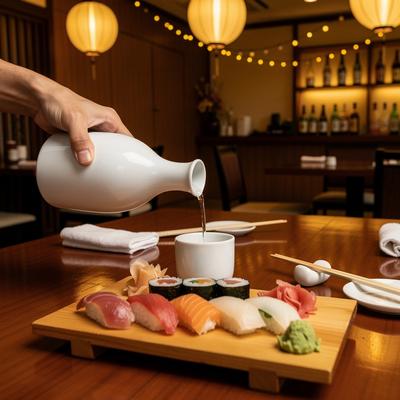
For sushi-focused nights, aim for crisp, clean pairings. Sake styles with bright acidity, a dry sparkling, or a highball-style cocktail tends to complement rather than compete. For a fuller pairing guide, see Best Drinks With Sushi.
Quick planning tip: If you’re choosing between an omakase-style feel and building your own order, our guide to Omakase vs A La Carte helps you match the format to your budget, group size, and appetite.
When you’re ready for more Dubai sushi reads, browse Articles or return to Home.