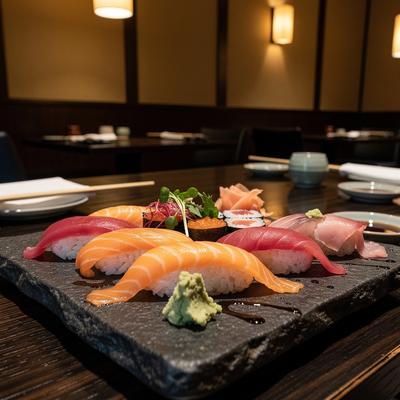
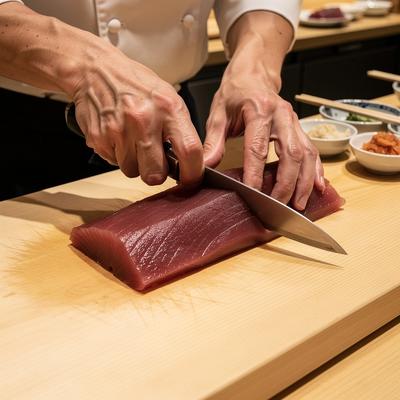
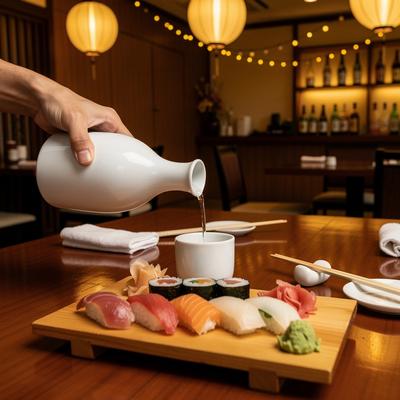
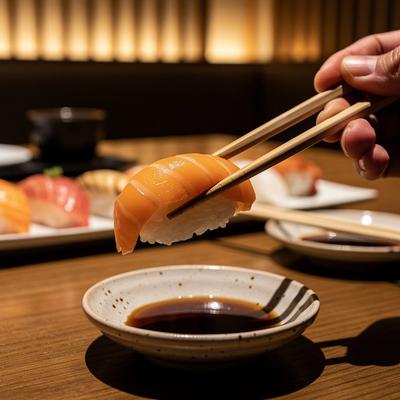
Sushi is all about contrast: cool fish against warm rice, clean sea-sweet flavors against soy’s savor, and bursts of citrus, chili, or smoke. The right drink should support that balance—not bulldoze it. Below is a practical pairing guide you can use at a Japanese counter, an omakase room, or a high-energy spot like Zuma-style dining.
Quick rule of thumb
The richer the bite (fatty tuna, toro, mayo, tempura), the more you want acidity or carbonation. The cleaner the bite (white fish, scallop), the more you want delicacy and aroma.
Sake with sushi: clean umami, minimal friction
Sake’s magic is how it mirrors sushi’s umami without adding tannins or heavy bitterness. Think of it as “seasoning in liquid form.” Use these styles as your menu translator:
- Junmai / Junmai Ginjo: rice-forward, softly structured. Great for salmon, tuna, and most nigiri flights.
- Ginjo / Daiginjo: fragrant (melon, pear). Best with delicate fish (tai, hirame), scallop, and light citrus.
- Nigori: creamy texture can work with spicy rolls, but keep it modest—too much sweetness can mask the fish.
- Sparkling sake: a crowd-pleaser for starters; bubbles lift fatty bites and refresh between pieces.
Serving temperature matters: chilled highlights aroma (good for delicate fish); lightly warmed can soften edges (helpful when soy or grilled items enter the picture).
Champagne & sparkling: the “reset button” pairing
High acidity + fine bubbles make Champagne (and quality sparkling) one of the most forgiving sushi partners. It cuts oil, lifts salt, and keeps your palate bright—especially useful when a meal mixes sashimi, robata, and tempura.
Best matches
Toro, salmon belly, wagyu + uni bites, tempura, creamy sauces.
Choose a style
Brut for versatility; Extra Brut for very fatty bites; Rosé for tuna and lightly charred items.
Cocktails: use citrus, salt, and restraint
Cocktails can be incredible with Japanese cuisine—if they’re built with precision. The danger is overpowering the fish with sugar, oak, or too much spice. Aim for: bright citrus, subtle salinity, clean spirits, and low-to-moderate sweetness.
- Highballs (whisky + soda, yuzu twist): crisp with grilled skewers and robata vegetables.
- Martini-family (very dry, lemon): excellent with scallop, seabream, and minimal garnishes.
- Gimlet / Daiquiri style (dry, lime-forward): pairs with tuna, hamachi, and citrus ponzu.
- Spicy notes (chili, wasabi): reserve for spicy rolls or fried items so the heat doesn’t erase subtle fish.
Pairing cheat sheet (by sushi style)
| What you’re eating | Why it’s tricky | Best drinks |
|---|---|---|
| Delicate white fish nigiri | Easy to overwhelm | Daiginjo sake, very dry martini, Brut Champagne |
| Fatty tuna / toro | Needs cut + lift | Extra Brut Champagne, sparkling sake, yuzu highball |
| Salmon + sauces | Creamy richness, sweetness risk | Junmai Ginjo, Brut Rosé, dry gimlet |
| Tempura / fried rolls | Oil + crunch | Champagne, crisp highball, sparkling sake |
| Uni / caviar bites | Briny, intensely umami | Champagne, Junmai, clean vodka martini |
If the soy dish gets steadily darker as the night goes on, your drinks should get brighter (more acid, more bubbles) to keep the meal feeling light.
Common pairing mistakes (and quick fixes)
- Too sweet: ask for “dry” versions or swap to Brut sparkling / Junmai.
- Too smoky: peat can dominate fish; move it to robata meats or finish the meal with it.
- Too spicy: heat numbs subtlety; pair spicy cocktails with fried items, not sashimi.
- Red wine tannin clash: if you must, go very light, chilled, and low-tannin—otherwise choose sake or bubbles.
Local note (UAE)
Alcohol availability varies by venue licensing. If you’re skipping alcohol, a great non-alcoholic stand-in is sparkling water with citrus (yuzu/lemon) or unsweetened iced green tea—both mimic the cleansing effect that makes Champagne and highballs work.
For more on ordering strategy at high-end Japanese dining, see what to order and our guide to omakase vs à la carte.